
Carpet Stain Removal Castle Rock CO
Red-granite trail mud, mag-chloride deicer film, wine, coffee, kid chaos — treated by the chemistry of the spill, with honest answers about sun fade.
Castle Rock, CO and central Douglas County · Calls may be recorded for quality and training purposes.
Every town has a signature stain load, and Castle Rock's is written by its geography. The rusty-red mud that follows a spring hike home from the open space. The gray, oddly persistent traffic-lane film that appears every winter courtesy of road deicer. Wine and coffee from normal adult life; cocoa, slime, and marker from normal kid life; and the sun-facing patch by the patio door that everyone assumes is a stain until the truth turns out to be fade. Each of these is a different chemical problem, and our carpet stain removal in Castle Rock, CO treats them that way — because chemistry, not effort, is what takes a stain out.
The matching matters in both directions. A solvent that dissolves grease will set a protein spill; an oxidizer that clears one dye stain will strip the carpet's own color around another. And depth matters as much as chemistry: spills soak toward the pad, so honest stain work treats and extracts the full column of the spill rather than polishing its surface. That is the difference between a spot that is gone and a spot that is scheduled to return.
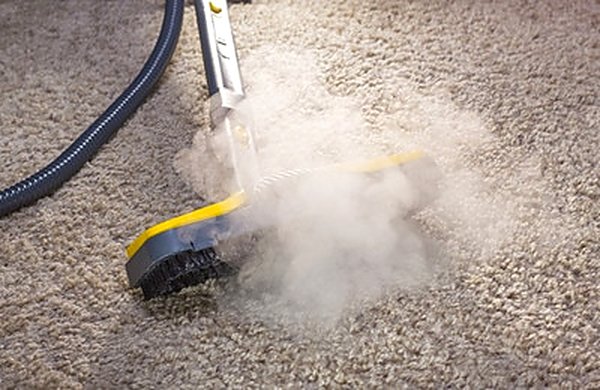
The Castle Rock stain lineup, by chemistry
| What landed | What it is | What works |
|---|---|---|
| Red trail mud, planter soil | Iron-oxide mineral clay | Dry removal, extraction, then rust-specific chemistry on any shadow |
| Winter traffic-lane graying | Mag-chloride deicer film + bound soil | Full rinse-extraction of the lane to remove the hygroscopic salt |
| Coffee, tea, red wine, cocoa | Tannins | Acid-side tannin treatment, then rinse; dairy components treated first |
| Slime, gum, wax, sticker residue | Polymers and resins | Solvent dissolve or freeze-and-shatter, then residue extraction |
| Blood, milk, vomit | Proteins | Enzyme digestion with cool water — heat cooks them in permanently |
| Grease, lotion, makeup, ski wax | Oils | Solvent pre-treatment, then detergent and rinse |
| Rust rings under furniture feet | Iron oxide | Dedicated rust agents — general cleaners spread it instead |
What to do in the first five minutes
- Blot, never rub. Straight down with plain white paper towels until nothing transfers; weight a dry stack over big spills and walk away.
- Lift solids cold. A spoon takes off slime, wax, and mud clumps far more safely once they have firmed up.
- Let mud dry. Counterintuitive but correct for our iron-rich clay — dry soil vacuums out; wet scrubbing drives the pigment in.
- Keep the "oxy" sprays holstered on any spot you cannot identify; on the wrong dye they trade a fixable stain for a permanent bleached one.
- No heat — no iron tricks, no hair dryer, no hot water — until the stain family is known. Heat is the great stain-setter.
The three honest verdicts
At the walk-through, every spot receives one of three calls, out loud: comes out (most fresh, untreated spills), improves substantially (aged stains and anything already worked over with store-shelf products), or is not a stain at all — bleach spots, chemical marks, and our altitude's specialty, sun fade, which are missing dye rather than hidden soil. Their fixes are dyeing or patching, and you will hear that instead of paying for a cleaning that cannot work.
Frequently Asked Questions
Red-brown mud from the trails is ground into my entry carpet. Will it come out?
Dark spots keep reappearing in the same winter traffic lane. What is that?
A spot I removed keeps coming back within a week. Why?
The carpet by the sliding door looks bleached. Can cleaning fix it?
Can you handle the classic kid catalog — slime, markers, hot cocoa?
How is stain work priced?
Got a stubborn spot in Castle Rock?
Call (303) 974-4558 and describe it — you'll get an honest read on whether it comes out, and what it costs, before anyone rolls a truck.